




Responding to Bereavement
Foundational and Advanced Techniques for Grief and Mourning
A 3-day workshop for clinicians and support providers dealing with grief and mourning
Date TBA
Southeastern Freight Lines National HQ
Lexington, South Carolina
Overview of Training
Drawing on cutting-edge information from the fields of clinical psychology, thanatology, and traumatology, and relying on extensive use of case examples, these practically-oriented workshops are designed as a “1+2 day” training. The first day serves as an introductory workshop on treating grief and mourning. The second two days, built upon information provided in the first day, focus specifically on 12 core strategies for intervention after the sudden, traumatic loss of a loved one. It is a more in-depth workshop and is geared to the intermediate-to-advanced level clinician or service provider. An individual could register for either the first introductory workshop, the two-day more advanced workshop, or both. The appeal of this format is that it allows for training of therapists at all different levels of expertise and permits exploration in greater depth for those who want more specialized training. Participants may receive Continuing Education Credits from the following organizations: National Board for Certified Counselors, South Carolina Psychological Association, and S.C. Department of Labor, Licensing and Regulation (pending approval). More about CEU hours.
Workshop Topics
Day One: “Therapeutic Interventions in Grief & Mourning: Responding to Uncomplicated and Complicated Bereavement”
Days Two and Three: “A Treatment of Traumatic Bereavement: 12 Core Strategies for Intervention After Sudden Death”
About the Speaker:
Therese A. Rando, Ph.D., BCETS, BCBT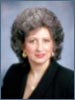
Dr. Rando is an award-winning clinical psychologist and author in Warwick, Rhode Island. She is the Founder and Clinical Director of The Institute for the Study and Treatment of Loss, which provides mental health services through psychotherapy, training, supervision, and consultation. It specializes in loss and grief; traumatic stress; and the psychosocial care of persons with chronic, life-threatening, or terminal illness and their loved ones. Dr. Rando is Board Certified both as an Expert in Traumatic Stress and in Bereavement Trauma. A former consultant to the U.S. Department of Health and Human Services' Hospice Education Program for Nurses, she developed its program for training hospice nurses to cope with loss, grief, and terminal illness.
For decades, Dr. Rando has consulted, conducted research, provided therapy, and lectured internationally in areas related to loss, grief, illness, dying, and trauma. Among her numerous publications, she is the author of Treatment of Complicated Mourning; Grief, Dying, and Death: Clinical Interventions for Caregivers; and How To Go On Living When Someone You Love Dies. She is a co-author of Treating Traumatic Bereavement: A Practitioner’s Guide. Her forthcoming book is Coping with the Sudden Death of Your Loved One: A Self-Help Handbook for Traumatic Bereavement. Dr. Rando serves as a national media resource expert in dying, death, loss, and trauma for the American Psychological Association. Current professional foci include treatment of complicated mourning; loss of a child; the interface between posttraumatic stress and grief; specialized intervention techniques in treatment of traumatic bereavement; self-help after sudden death of a loved one; and multi-day intensive interventions for first responders dealing with critical incidents or traumatic deaths of loved ones. More about Dr. Rando.
Workshop Details
The first day of this 1+2 day, practically-oriented workshop focuses on therapeutic strategies and intervention techniques for facilitating uncomplicated grief and mourning, and responding therapeutically when it becomes complicated. While most examples will pertain to the death of a loved one, the workshop will be of interest to those who work with individuals experiencing loss of any kind: physical (e.g., amputation, chronic illness, theft, assault) or abstract (e.g., divorce, loss of a dream, infertility, downsizing).
The second two days of the workshop focus on assisting therapists and support providers to work with those bereaved from a sudden, traumatic death. This includes Accident, Disaster, Suicide, Homicide (including terrorism and war), or Acute Natural Death (from medical events, such as heart attack or stroke, or from acute illness, such as bacterial meningitis or ebola). Operating from the foundation that such high-risk deaths confront mourners with challenges creating vastly different experiences and demands than if the death were anticipated and natural, the workshop presents an integrative model of treatment following traumatic bereavement. Twelve core strategies of intervention are identified. Target areas for intervening in each type of traumatic death are delineated.
Objectives
By the end of this workshop, participants will be able to:
Day One:
- Differentiate between grief and mourning and their clinical implications
- Identify the six “R” processes of mourning
- Describe the pivotal role of anxiety in bereavement
- Explain why normal acute grief is a form of traumatic stress reaction
- Define complicated mourning and delineate its two attempts, four forms, and seven high-risk factors
- Discuss why sudden death is traumatic and distinct from anticipated death, and identify at least 15 challenges it presents
- Identify at least seven generic guidelines for the treatment of complicated mourning
- Construct a Comprehensive Bereavement Treatment Package and delineate the nine clinical components to be integrated within it
- Outline the Standard Treatment Protocol for Intervention in Complicated Mourning
- Identify at least four common clinical mistakes in treating mourners
Days Two and Three:
- Explain the twin tasks in coping with traumatic loss--trauma mastery and loss accommodation
- Discuss the clinical implications of "the triad of troubles" in traumatic bereavement
- Identify the 12 high-risk elements for traumatic bereavement and outline major therapeutic areas for each
- List 12 core areas of intervention demanded after sudden death
- Challenge distorted thinking about the loss that can exist even in the presence of genuine tragedy
- Identify the steps to processing feelings constructively
- Describe at least four essential courses of action to promote healthy coping
- Delineate the process for addressing unfinished business and unanswered questions
- Specify at least two ways to manage anxiety and personal traumatization in each of four areas (physiologically, psychologically, socially, and behaviorally)
- List at least three interventions for sudden death repercussions of avoidance, re-experiencing, and guilt
- Delineate at least three unique issues associated with each type of traumatic death
- Explain the usefulness of personal bereavement rituals
- List at least two strategies for navigating the outside world in terms of social relationships and work
- Discuss strategies associated with the four avenues for reconstructing personal meaning
- Identify at least three mental health service challenges clinicians should expect
Site designed and managed by Janet Katz and Joseph Katz, Paladin Services LLC, www.busman.com